From Wooden Hulls to Steel Ships How Shipbuilding Materials Changed Vessel Design

MARITIME ENGINEERING ARCHIVE ยท SHIP DESIGN HISTORY How New Materials Transformed the Ships That Connected the World Explore how the transition from timber to iron and steel reshaped ship strength, cargo capacity, propulsion, safety, and the possibilities of ocean travel. WOODEN SHIPS IRON HULLS STEEL SHIPBUILDING For centuries, wooden ships carried explorers, merchants, passengers, and … Read more
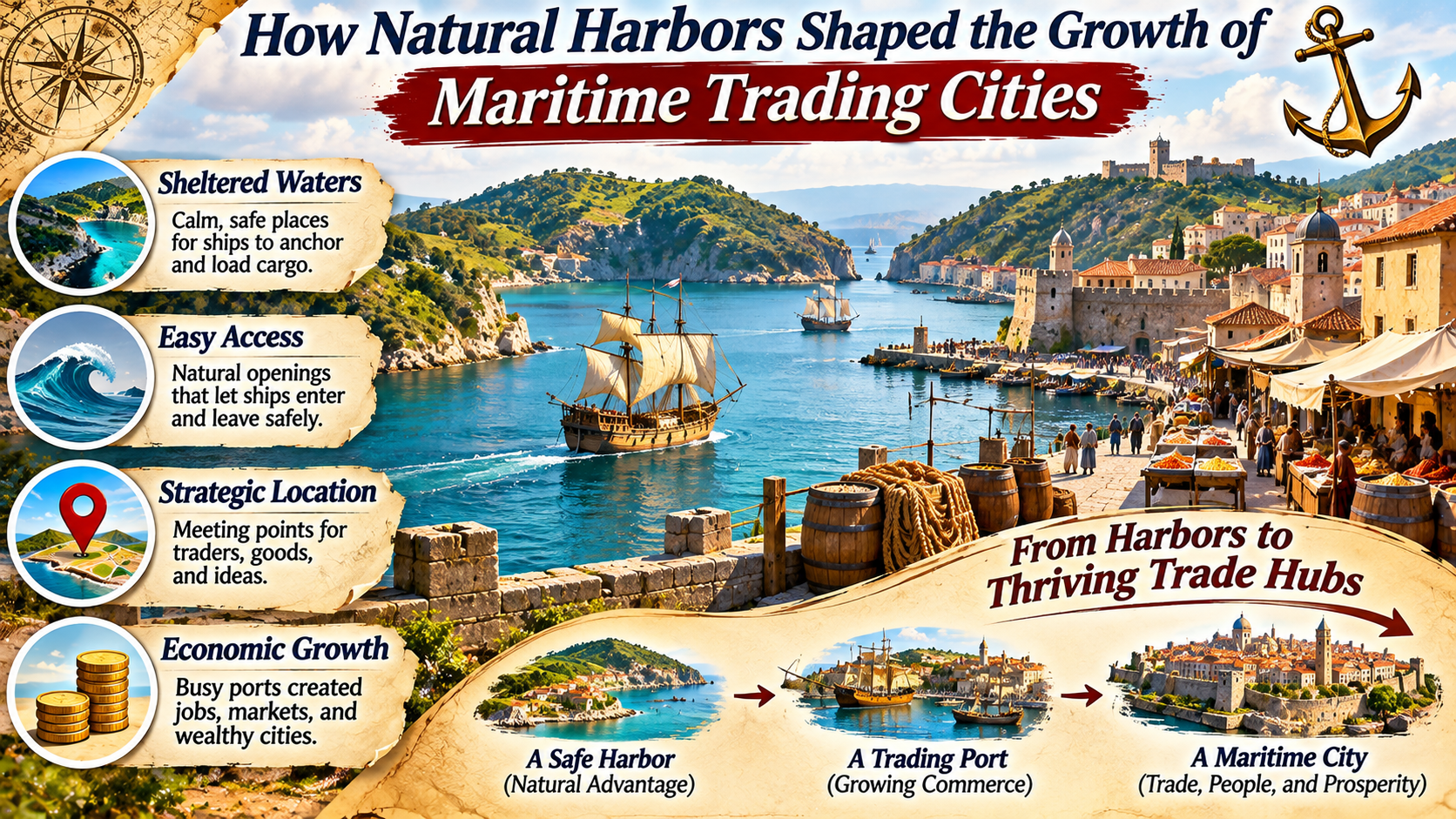
How Natural Harbors Shaped the Growth of Maritime Trading Cities

HISTORIC MARITIME ATLAS ยท PORTS & GLOBAL TRADE The Coastlines That Built Great Trading Cities Discover how sheltered bays, navigable waterways, and favorable coastal geography helped small settlements become major centers of maritime commerce. HARBOR GEOGRAPHY   โ€ข   TRADE ROUTES   โ€ข   PORT CITIES Throughout history, some of the world’s most influential cities … Read more

How Sailors Found Their Position Before GPS Sextants, Chronometers, and Celestial Navigation

THE MARINER’S LOGBOOK ยท HISTORY OF NAVIGATION Finding Your Way Across an Ocean Without Satellites Discover how generations of sailors used the Sun, stars, precise clocks, and mathematical calculations to determine their position at sea. SEXTANT โœฆ MARINE CHRONOMETER โœฆ CELESTIAL CHARTS Imagine sailing across the Atlantic Ocean centuries before satellite navigation. The horizon stretches … Read more

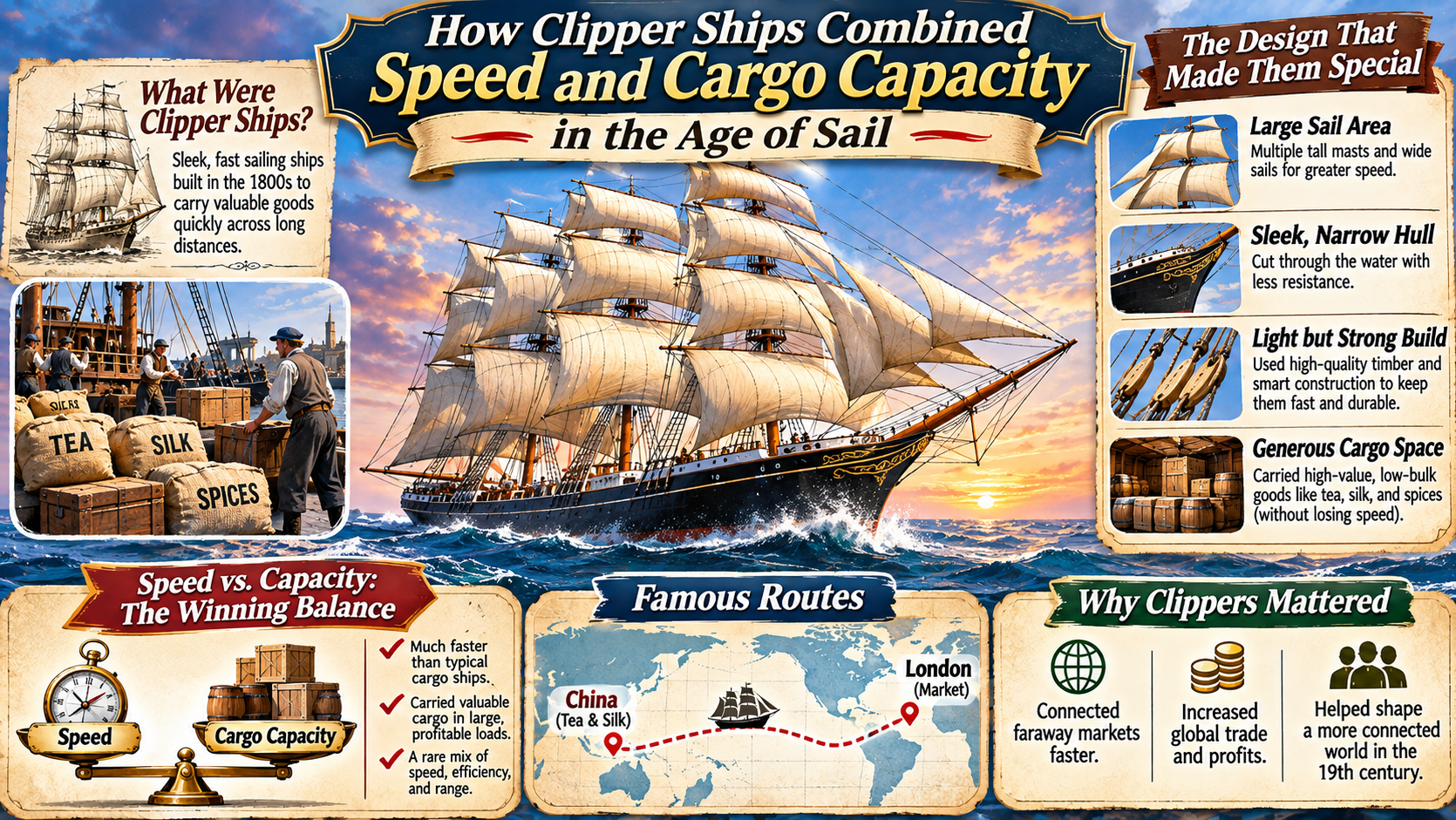
How Clipper Ships Combined Speed and Cargo Capacity in the Age of Sail

MARITIME HISTORY ARCHIVE ยท SHIPBUILDING & GLOBAL TRADE The Fast Sailing Ships That Transformed Global Trade How innovative hull designs, towering sails, and commercial competition created some of the fastest cargo-carrying sailing ships of the nineteenth century. SHIP DESIGN   โœฆ   OCEAN TRADE   โœฆ   THE AGE OF SAIL During the nineteenth century, … Read more

Subsurface Navigation and Early Diving Tech: From Diving Bells and Leather Suits to the Pioneer Submarines of the 19th Century

Full-scale cutaway model of David Bushnell's 1776 Turtle submersible submarine

โš“ Monograph Overview: The Human Descent into the Hydrostatic Abyss For thousands of years, the subsurface realm of the ocean was utterly inaccessible to human physiology. The history of subsurface navigation and underwater technology represents humanityโ€™s triumph over crushing hydrostatic pressure, darkness, and suffocating oxygen depletion. From Aristotleโ€™s inverted kettles and Edmond Halleyโ€™s air-replenished diving … Read more

Naval Artillery and Armor: The Technological Race from Cast Bronze Cannon to Explosive Paixhans Shells and Ironclads

HMS Warrior armored ironclad warship with 4.5 inch wrought iron armor plating

โš“ Monograph Overview: The Arms Race That Destroyed the Wooden Warship For three centuries, naval warfare was governed by a predictable duel between smoothbore cast-iron cannons and thick oak hull planking. That strategic equilibrium was obliterated in the 1820s by French artillery general Henri-Joseph Paixhans, who invented the naval explosive shell gun. When Russian shell … Read more

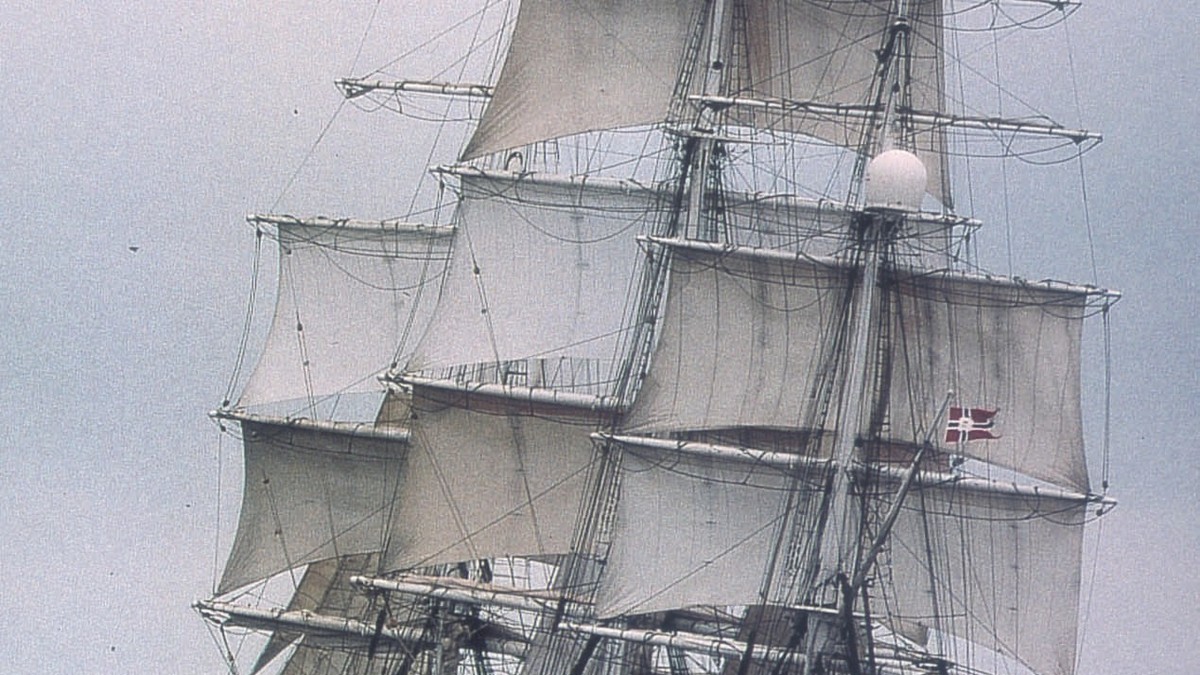
The Sternpost Rudder and Rigging Revolution: Lateen Sails, Square Rigs, and the Emergence of the Full-Rigged Ship

Historic full-rigged tall ship displaying square sails, jibs, and staysails at sea

โš“ Monograph Overview: The Hydrodynamic and Aerodynamic Dual Revolution Between 1100 and 1500, European maritime technology underwent two interconnected revolutions that transformed the ocean-going ship from a seasonal coastal coaster into a global instrument of discovery. The replacement of fragile steering oars with the centerline pintle-and-gudgeon sternpost rudder provided unprecedented hydrodynamic control, while the fusion … Read more

The Evolution of Ship Propulsion: From Manual Oared Galleys to Triple-Expansion Steam Engines and Marine Turbines

Charles Parsons' Turbinia cutting through the sea at record 34 knots

โš“ Monograph Overview: The Mechanical Conquest of Oceanic Resistance For millennia, maritime movement was constrained by the biological limits of human muscle and the erratic whims of planetary winds. The transformation of marine propulsionโ€”from multi-tiered Mediterranean triremes and Roman liburnians to Watt’s condensing steam engine, high-pressure triple-expansion reciprocating plants, and Charles Parsons’ revolutionary steam turbineโ€”redefined … Read more

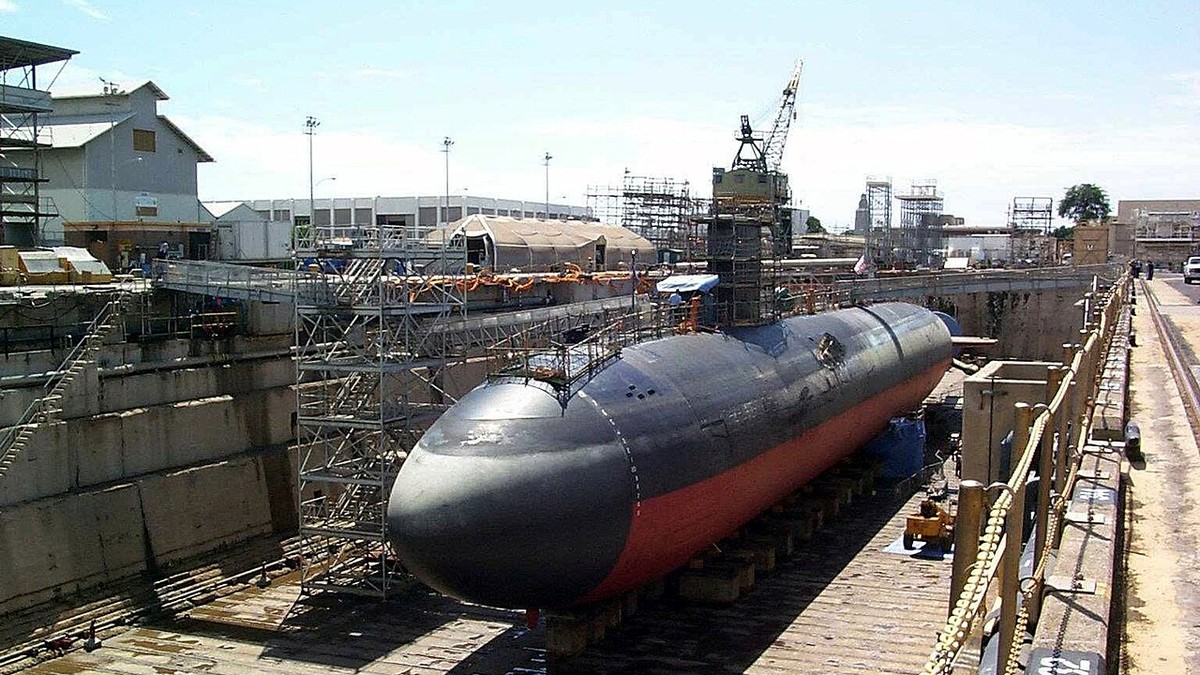
Historic Dry Docks and Graving Docks: Hydraulic Engineering from Portsmouth to Veniceโ€™s Maritime Shipyards

Naval vessel resting on keel blocks inside an excavated stone dry dock

โš“ Monograph Overview: The Civil Engineering Cathedrals of Naval Maintenance Without the dry dock, oceanic naval power could not exist. A wooden or iron ship submerged in seawater suffers relentless biological fouling, hull decay, and damage from underwater groundings. From King Henry VII’s pioneering 1495 dry dock at Portsmouth and Venice’s covered squeri to the … Read more

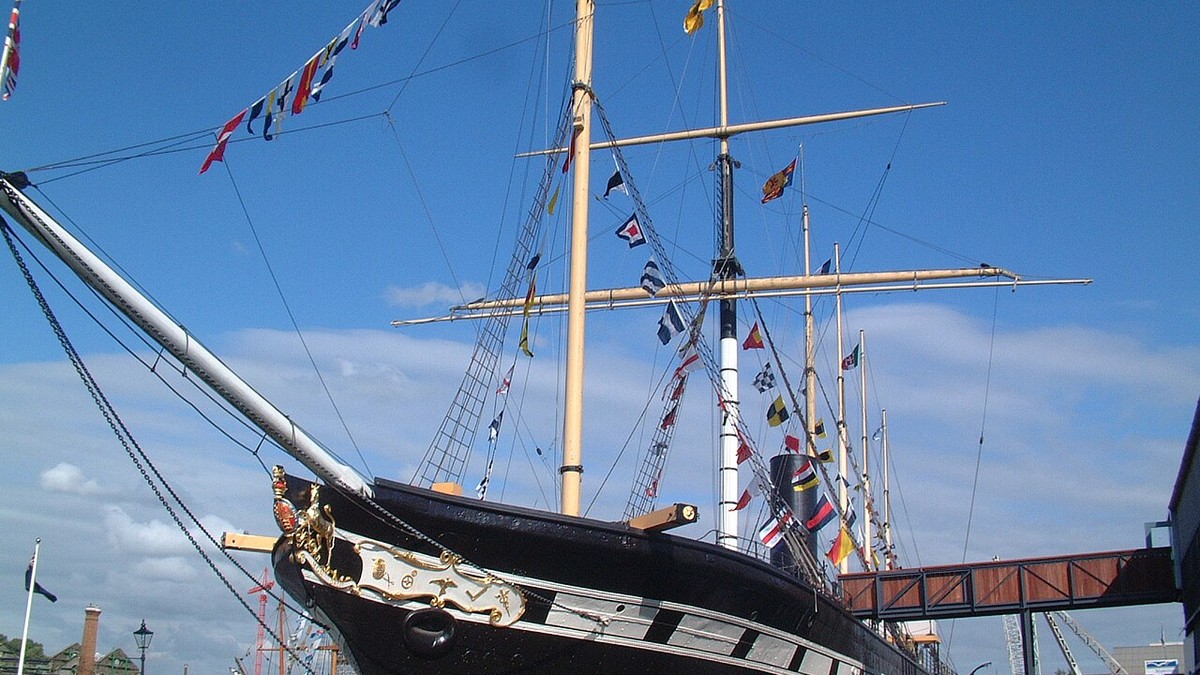
The Transition from Wood to Iron Hulls: The SS Great Britain, Diagonal Framing, and Early Industrial Naval Architecture

Isambard Kingdom Brunel's SS Great Britain iron-hulled steamship in dry dock

โš“ Monograph Overview: The Industrial Metallurgy That Replaced the Forest In 1843, visionary British engineer Isambard Kingdom Brunel launched the SS Great Britainโ€”the world’s first iron-hulled, screw-propelled, ocean-going steamship. Combining rolled wrought-iron hull plating with diagonal internal trussing and watertight bulkheads, she shattered the structural limitations that had restricted wooden shipbuilding for millennia, inaugurating the … Read more