How Natural Harbors Shaped the Growth of Maritime Trading Cities
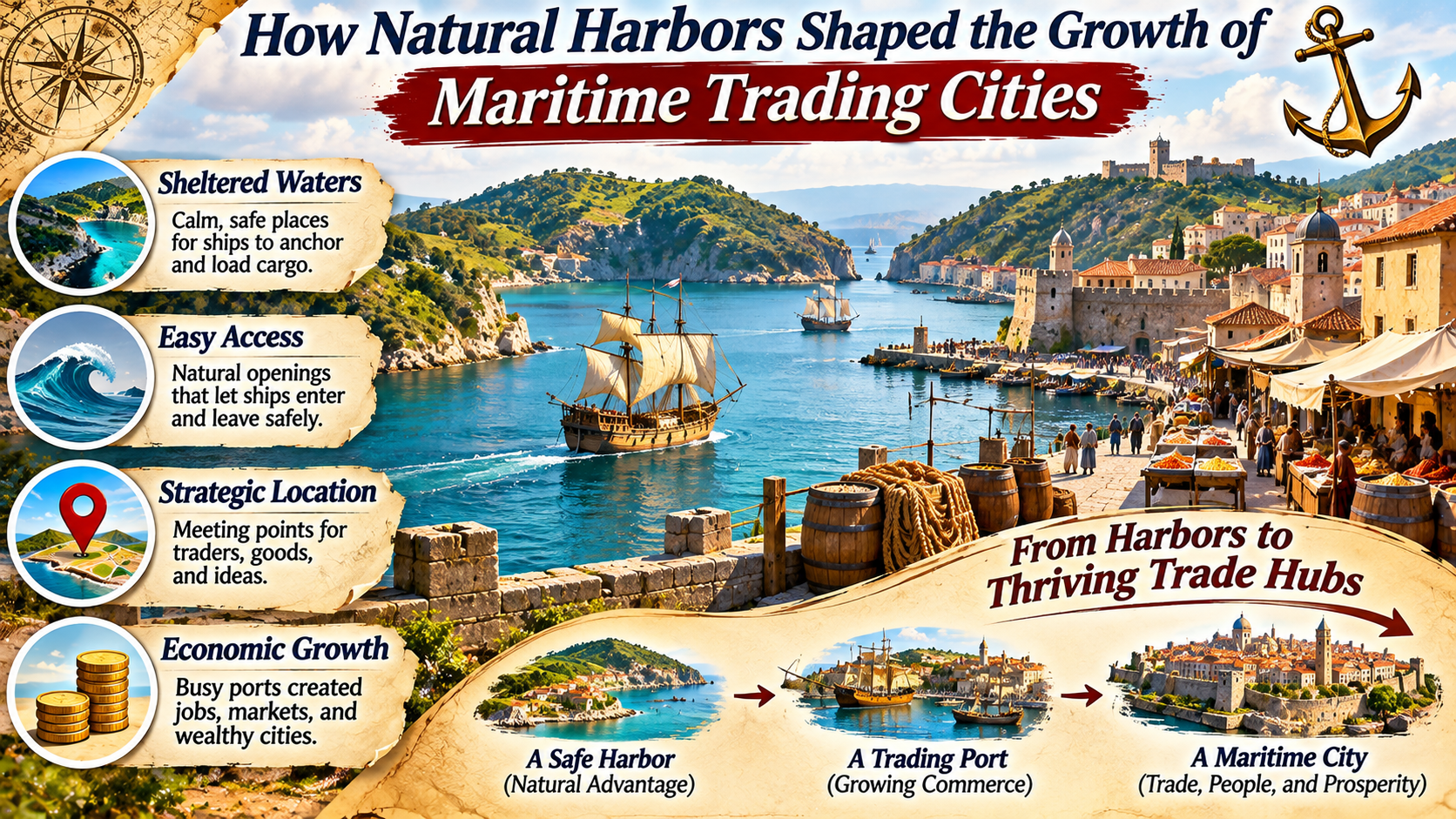
HISTORIC MARITIME ATLAS · PORTS & GLOBAL TRADE The Coastlines That Built Great Trading Cities Discover how sheltered bays, navigable waterways, and favorable coastal geography helped small settlements become major centers of maritime commerce. HARBOR GEOGRAPHY   •   TRADE ROUTES   •   PORT CITIES Throughout history, some of the world’s most influential cities … Read more
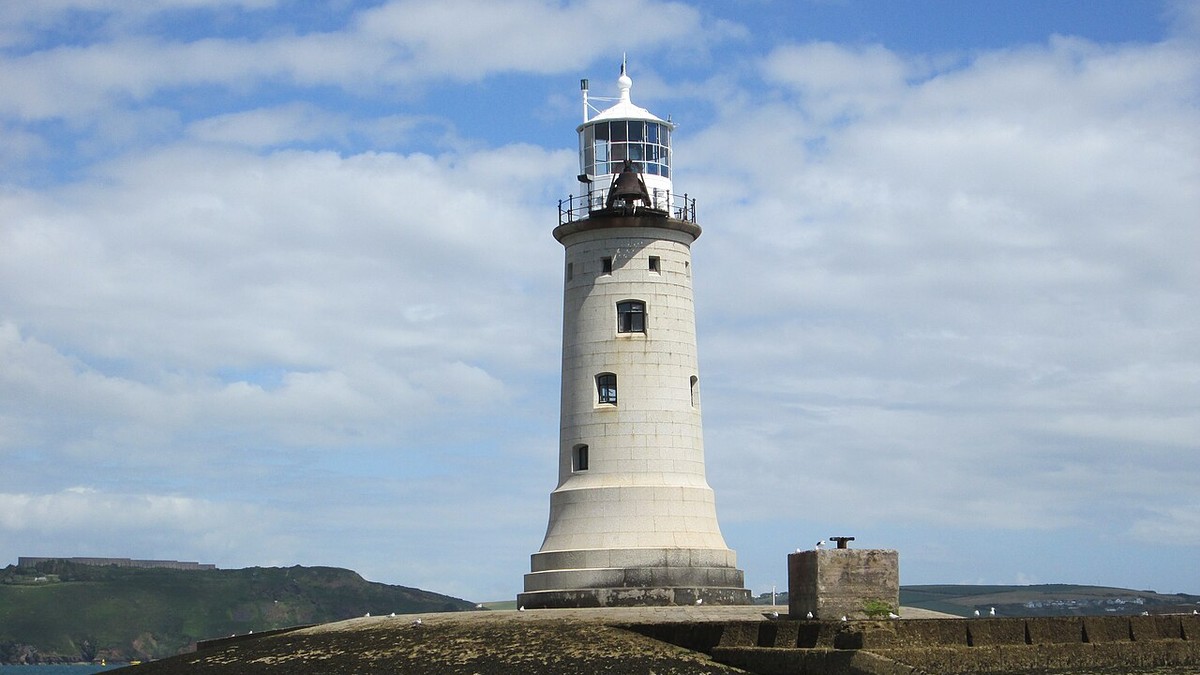
Breakwaters and Maritime Civil Engineering: The Construction of Plymouth Sound, Cherbourg, and Deepwater Artificial Harbors

Plymouth Sound granite breakwater protecting naval anchorage with historic lighthouse

⚓ Monograph Overview: Conquering the Fury of Oceanic Waves An open coastline offers no sanctuary to sailing vessels during oceanic storms. To protect naval battle fleets and merchant shipping, nineteenth-century civil engineers pioneered deepwater artificial breakwaters. From John Rennie’s million-ton stone mountain across Plymouth Sound to Louis XVI’s wooden caisson cones at Cherbourg and modern … Read more

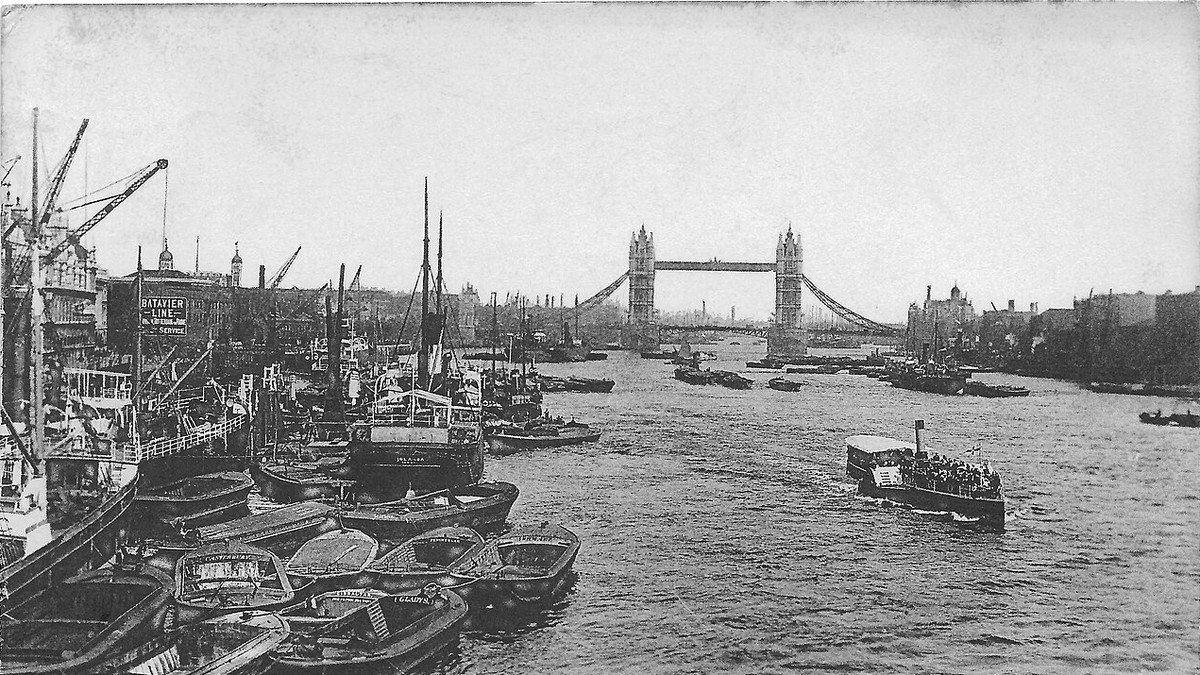
The Port of London in the Age of Sail: The Pool of London, Enclosed Wet Docks, and Global Colonial Commerce

18th-century painting of merchant sailing ships crowded in the Pool of London

⚓ Monograph Overview: The Capital of World Maritime Trade Between 1700 and 1850, the Port of London was the unrivaled economic heart of the global British Empire. Stretched along the tidal River Thames from London Bridge down to Greenwich, the ‘Pool of London’ handled thousands of merchant sailing ships laden with Caribbean sugar, East Indian … Read more

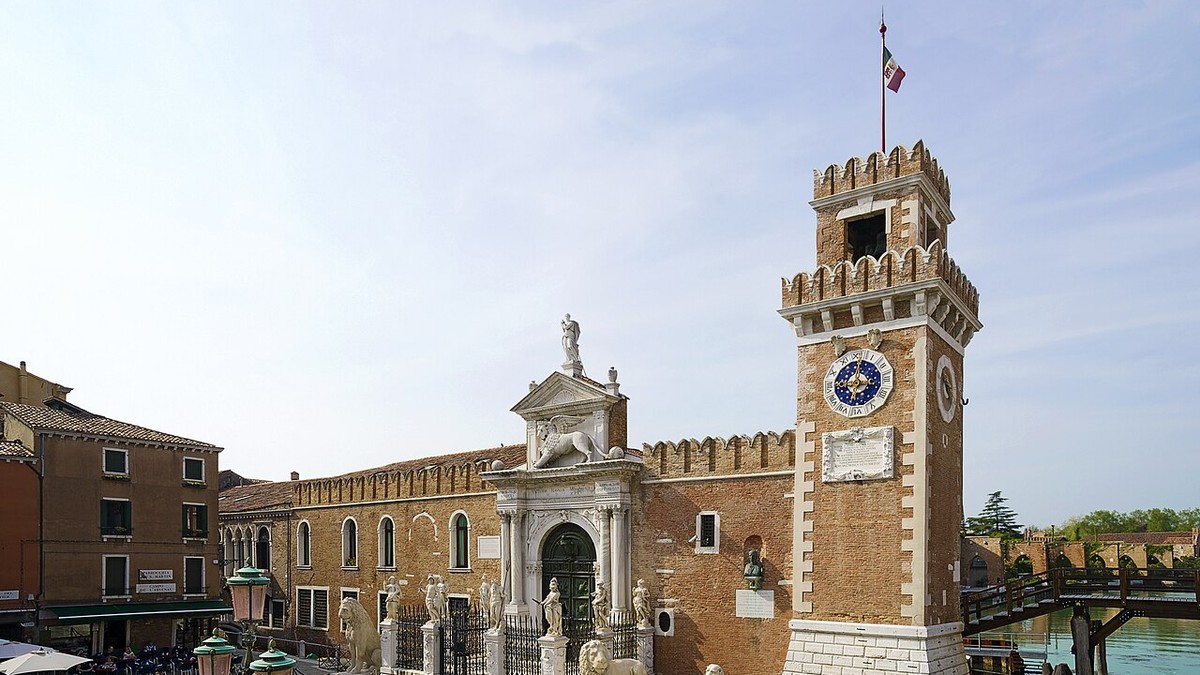
The Venetian Arsenale and Maritime Hub: Renaissance Industrial Ship Production, Galeass Fleets, and Mediterranean Trade Dominance

Entrance towers and defensive walls of the historic Venetian Arsenale shipyard

⚓ Monograph Overview: The World’s First Industrial Factory Complex Centuries before the British Industrial Revolution, the Republic of Venice operated the largest industrial complex in pre-modern Europe: the Arsenale di Venezia. Spanning over 110 acres of enclosed ship basins, rope factories, and armories, the Arsenale employed over 16,000 skilled shipwrights and carpenters (Arsenalotti). Utilizing moving-line … Read more

Portus and Ostia Antica: Roman Hydraulic Concrete Engineering, Hexagonal Basins, and Imperial Maritime Logistics

Archaeological site of Portus with Roman imperial hydraulic concrete masonry

⚓ Monograph Overview: The Maritime Engine of the Roman Empire At the height of the Pax Romana in the first and second centuries CE, the city of Rome consumed over 400,000 tons of grain annually, imported primarily from Egypt, North Africa, and Sicily. To supply this million-person metropolis, Roman civil engineers constructed Portus—the largest artificial … Read more