From Wooden Hulls to Steel Ships How Shipbuilding Materials Changed Vessel Design

MARITIME ENGINEERING ARCHIVE · SHIP DESIGN HISTORY How New Materials Transformed the Ships That Connected the World Explore how the transition from timber to iron and steel reshaped ship strength, cargo capacity, propulsion, safety, and the possibilities of ocean travel. WOODEN SHIPS IRON HULLS STEEL SHIPBUILDING For centuries, wooden ships carried explorers, merchants, passengers, and … Read more

Historic Dry Docks and Graving Docks: Hydraulic Engineering from Portsmouth to Venice’s Maritime Shipyards

Naval vessel resting on keel blocks inside an excavated stone dry dock

⚓ Monograph Overview: The Civil Engineering Cathedrals of Naval Maintenance Without the dry dock, oceanic naval power could not exist. A wooden or iron ship submerged in seawater suffers relentless biological fouling, hull decay, and damage from underwater groundings. From King Henry VII’s pioneering 1495 dry dock at Portsmouth and Venice’s covered squeri to the … Read more

The Transition from Wood to Iron Hulls: The SS Great Britain, Diagonal Framing, and Early Industrial Naval Architecture

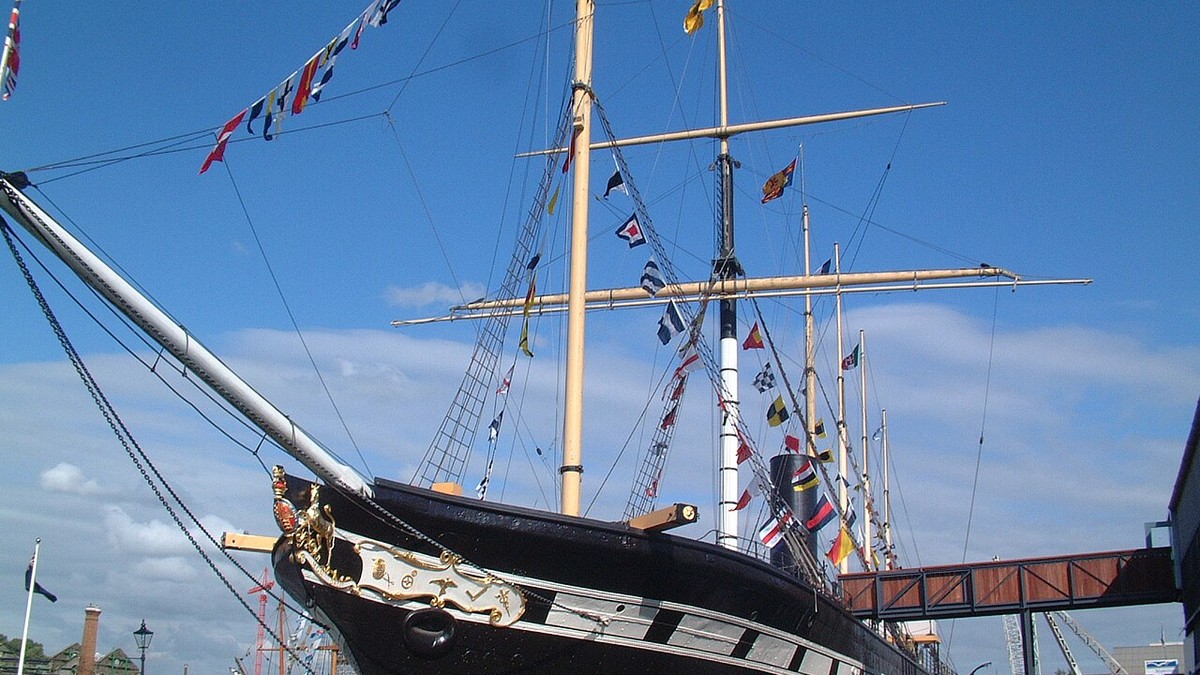
Isambard Kingdom Brunel's SS Great Britain iron-hulled steamship in dry dock

⚓ Monograph Overview: The Industrial Metallurgy That Replaced the Forest In 1843, visionary British engineer Isambard Kingdom Brunel launched the SS Great Britain—the world’s first iron-hulled, screw-propelled, ocean-going steamship. Combining rolled wrought-iron hull plating with diagonal internal trussing and watertight bulkheads, she shattered the structural limitations that had restricted wooden shipbuilding for millennia, inaugurating the … Read more

Timber Selection in Historic Shipbuilding: English White Oak, Compass Timbers, Live Oak, and Pine Masts

Massive English oak tree providing compass timbers, curved knees, and hull ribs

⚓ Monograph Overview: The Dendrological Foundations of Naval Power In the Age of Sail, an empire’s geopolitical supremacy was determined by the botanical health and strategic management of its forests. Constructing a single 74-gun third-rate ship of the line consumed over 3,000 mature century-old oak trees. This monograph investigates the rigorous engineering science of historic … Read more

Clinker vs. Carvel Construction: The Structural Evolution of Nordic Longships to Mediterranean Ocean-Going Carracks

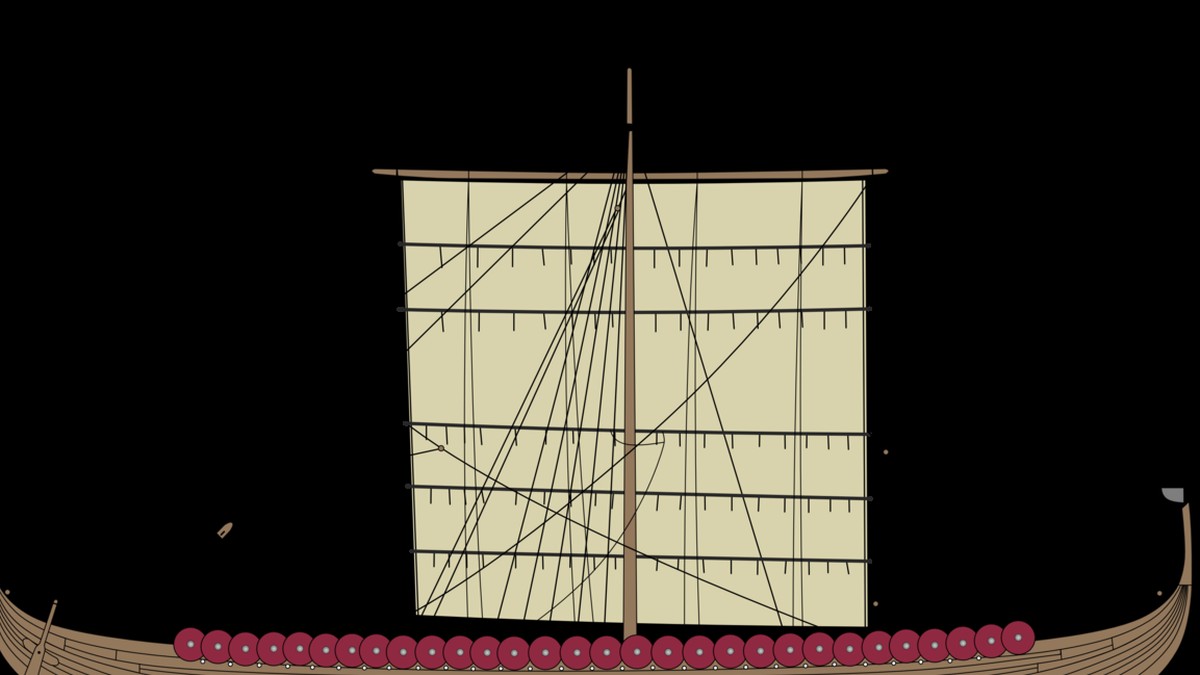
Overlapping oak strakes of a clinker-built Viking longship preserved in museum

⚓ Monograph Overview: The Great Architectural Divide of European Shipbuilding For centuries, European maritime culture was divided into two distinct construction philosophies: Northern European clinker (lapstrake) building and Mediterranean carvel (edge-to-edge frame-first) construction. The transition from light, flexible Viking longships and cogs to massive, multi-decked carvel carracks and galleons between 1400 and 1550 transformed naval … Read more