How Clipper Ships Combined Speed and Cargo Capacity in the Age of Sail
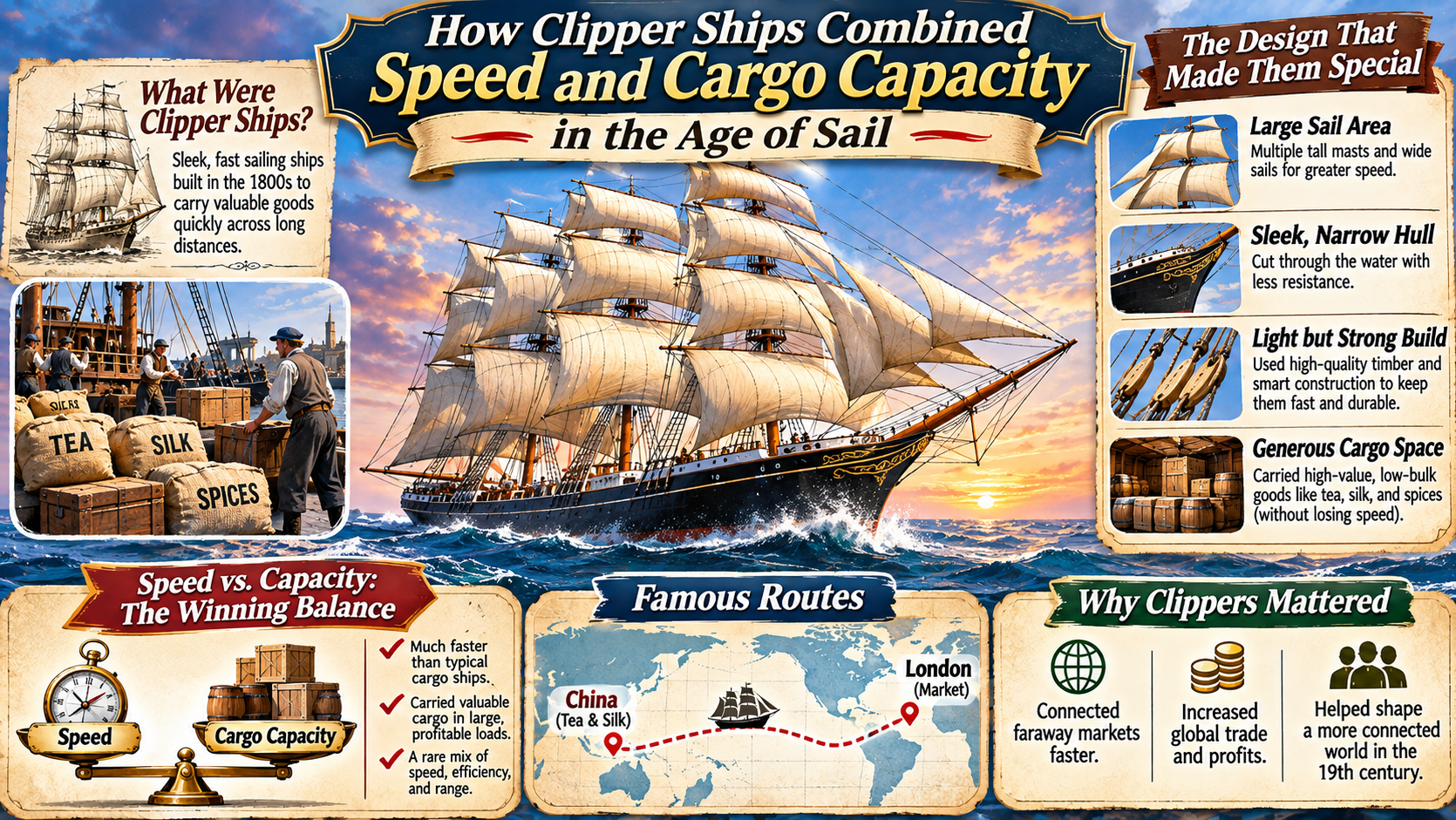
MARITIME HISTORY ARCHIVE · SHIPBUILDING & GLOBAL TRADE The Fast Sailing Ships That Transformed Global Trade How innovative hull designs, towering sails, and commercial competition created some of the fastest cargo-carrying sailing ships of the nineteenth century. SHIP DESIGN   ✦   OCEAN TRADE   ✦   THE AGE OF SAIL During the nineteenth century, … Read more
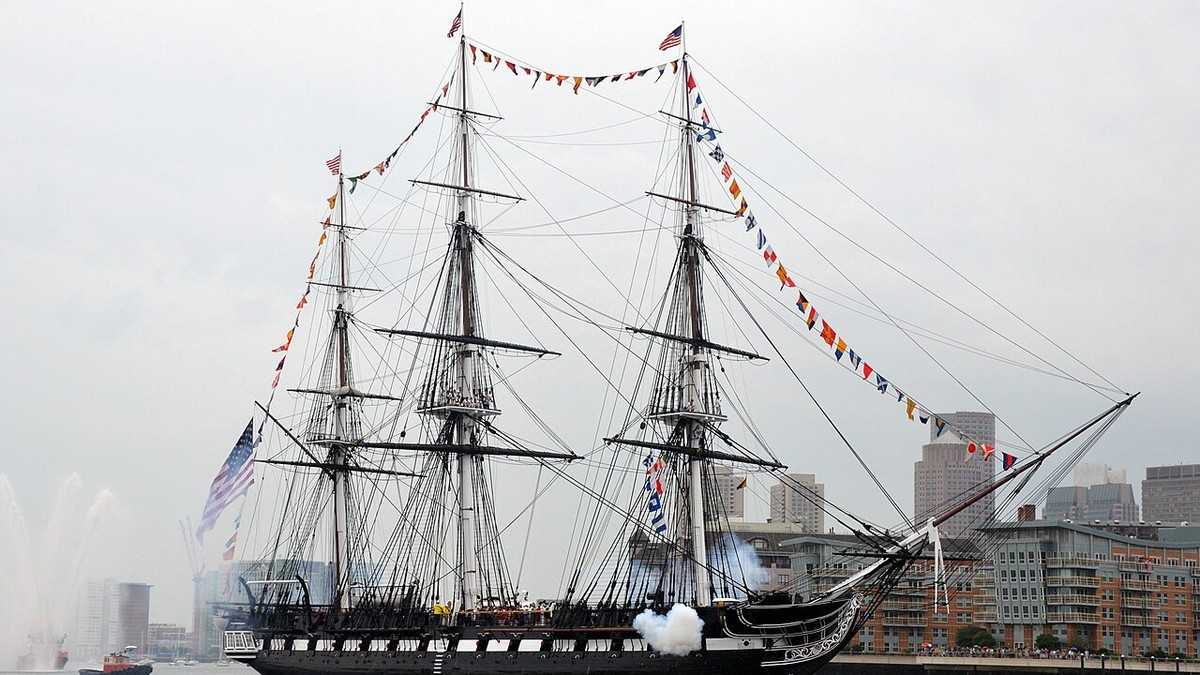
The USS Constitution (‘Old Ironsides’): Live Oak Framing, Frigate Warfare, and Technological Design

USS Constitution heavy frigate sailing in Boston Harbor firing salute

⚓ Monograph Overview: The Undefeated Super-Frigate Authorized by the Naval Act of 1794 and launched at Boston in 1797, the 44-gun heavy frigate USS Constitution represents the apex of American naval architecture during the age of wooden sail. Utilizing southern live oak diagonal framing, copper fasteners forged by Paul Revere, and an oversized spar plan, … Read more

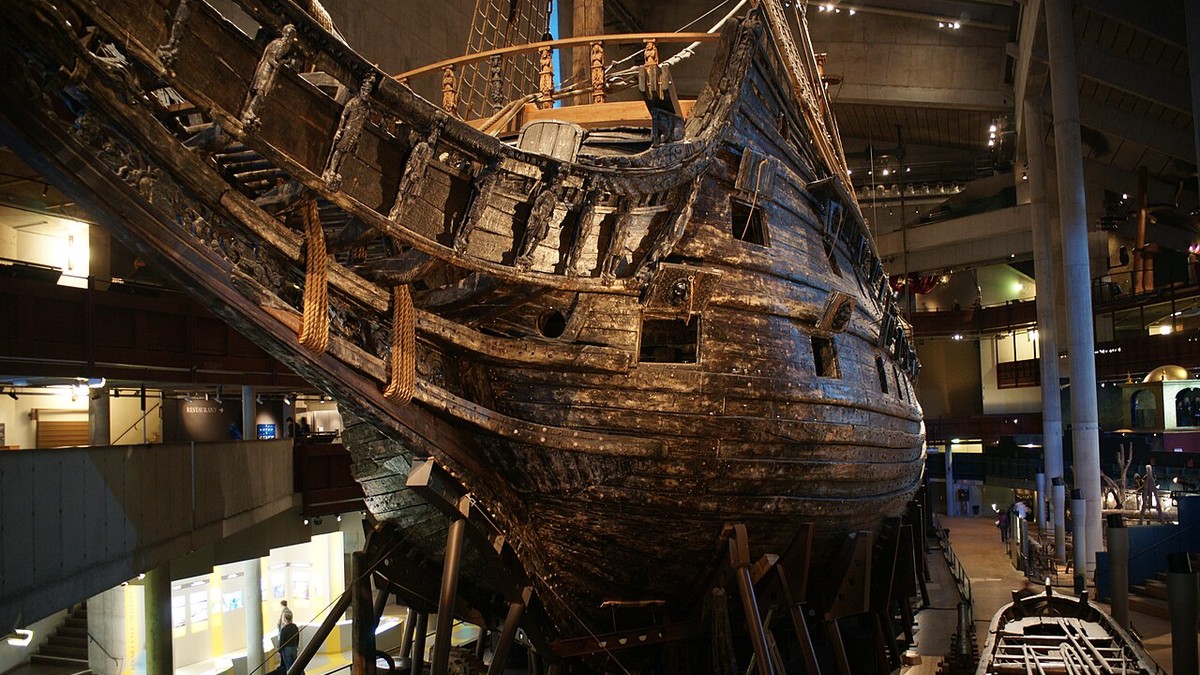
The Vasa Warship: 17th-Century Baltic Shipbuilding Ambition, Stability Deficits, and Marine Conservation

The salvaged 17th century warship Vasa inside the Vasa Museum Stockholm

⚓ Monograph Overview: The Tragedy and Renaissance of Vasa Constructed between 1626 and 1628 under King Gustavus Adolphus of Sweden, the 64-gun warship Vasa was engineered to project Swedish imperial power across the Baltic Sea during the Thirty Years’ War. However, due to critical miscalculations in metacenter height, hull ballast, and top-tier artillery loading, she … Read more

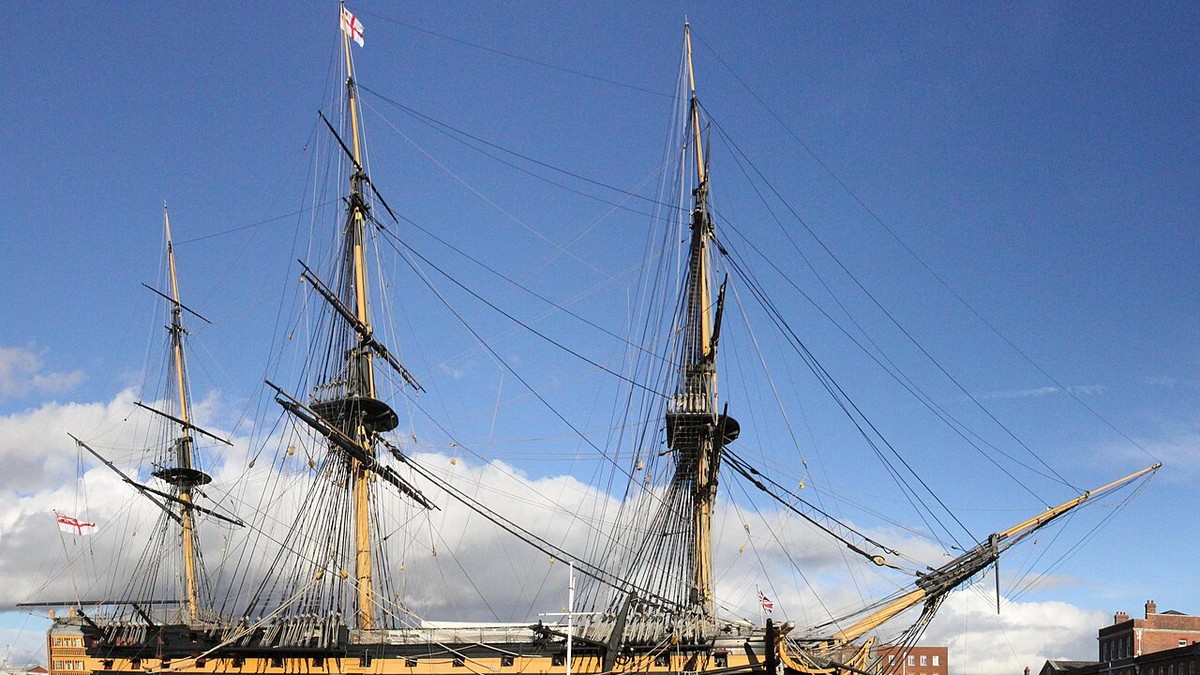
HMS Victory and the Battle of Trafalgar: First-Rate Ship of the Line Engineering, Broadside Tactics, and Oak Hull Resilience

HMS Victory first-rate ship of the line preserved at Portsmouth

⚓ Monograph Overview: The Definitive First-Rate Flagship Launched in 1765, HMS Victory represents the highest operational zenith of the wooden sailing warship. Serving as the flagship of Vice-Admiral Lord Horatio Nelson at the Battle of Trafalgar on October 21, 1805, her triple-decked gun battery, live-oak hull architecture, and revolutionary tactical deployment shattered the combined Franco-Spanish … Read more

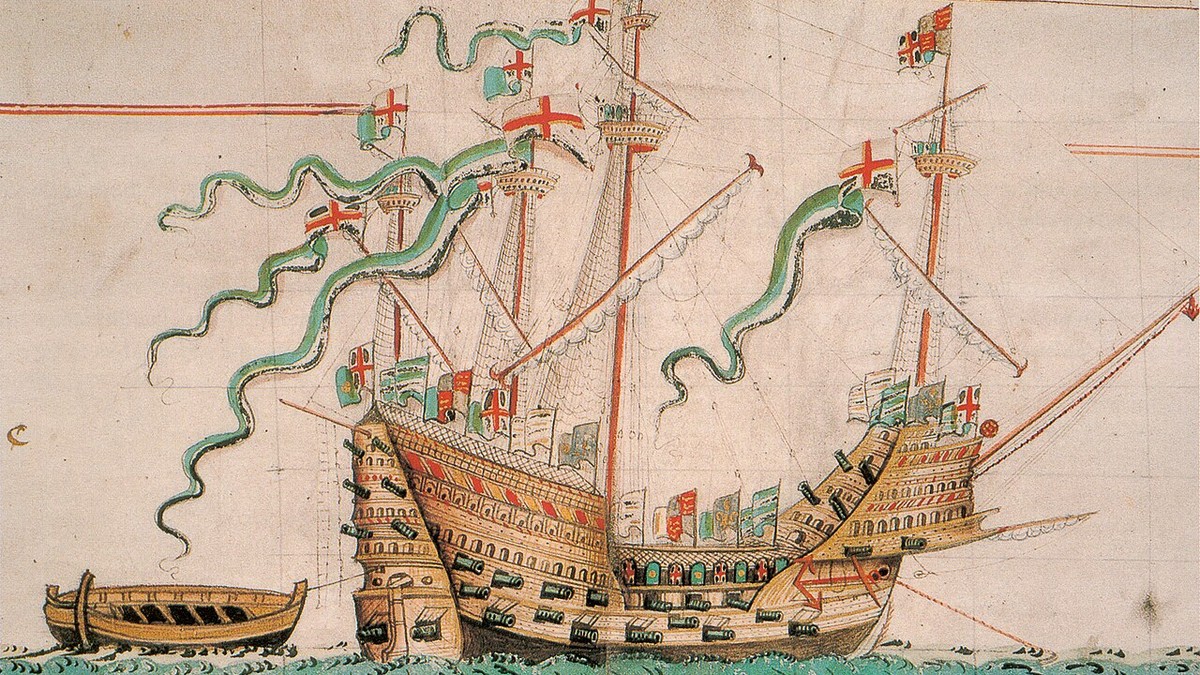
The Mary Rose: Tudor Naval Architecture, Gunnery Innovations, and the Solent Recovery

Contemporary illustration of the Mary Rose Tudor warship under full sail

⚓ Monograph Overview: The Tudor Flagship Mary Rose Commissioned under King Henry VIII in 1510, the Mary Rose represented a transitional pinnacle in European naval architecture. Serving as one of the earliest purpose-built English warships capable of firing broadside ordnance through watertight lidded gunports, her sudden sinking on July 19, 1545, during the Battle of … Read more